


MECCA, May 25 — The annual Hajj pilgrimage, one of the Five Pillars of Islam, officially began on Monday as more than 1.5 million pilgrims from around the world arrived in Saudi Arabia to take part in the sacred journey. Saudi authorities said the pilgrimage this year is taking place amid heightened regional tensions and uncertainty linked to the fragile ceasefire involving Iran and its allies.
Saleh bin Saad Al-Murabba, commander of the Hajj passport forces, confirmed that over 1.5 million pilgrims from outside Saudi Arabia had already entered the kingdom by Friday. Thousands more domestic pilgrims are also expected to participate in the annual gathering, making it one of the world’s largest religious congregations.
For Muslims, Hajj is a once-in-a-lifetime obligation for those who are physically and financially capable of undertaking the journey. Pilgrims from different countries, ethnicities, cultures and economic backgrounds gather in Mecca each year, creating a powerful sense of unity within the global Muslim community.
Egyptian pilgrim Samya Abdul Moneim described her arrival in Mecca as an emotional and deeply spiritual experience. “I am in a state of blessing and happiness,” she said on Sunday. “It’s an indescribable feeling, truly. Thank God, I am blessed to be here.”
On the first day of Hajj, pilgrims traditionally move toward Mina, a massive tent city located in the desert near Mecca, where they spend the night in prayer and worship. Prior to that, large crowds of pilgrims continued circling the Kaaba at the Grand Mosque under extremely hot weather conditions.
Temperatures in Mecca have remained high, forcing many pilgrims to use umbrellas for shade and carry handheld fans while performing rituals. Volunteers and Saudi authorities have distributed water bottles across pilgrimage sites, while giant mist-spraying fans have been installed to help pilgrims cope with the scorching heat.
The pilgrimage comes during a period of major geopolitical tension in the Middle East. On Saturday, U.S. President Donald Trump said that a deal related to the Iran conflict and the reopening of the Strait of Hormuz had been “largely negotiated” following discussions with Israel and regional allies. He described the understanding as a “Memorandum of Understanding pertaining to PEACE,” though he said the agreement still needed final approval from all involved parties.
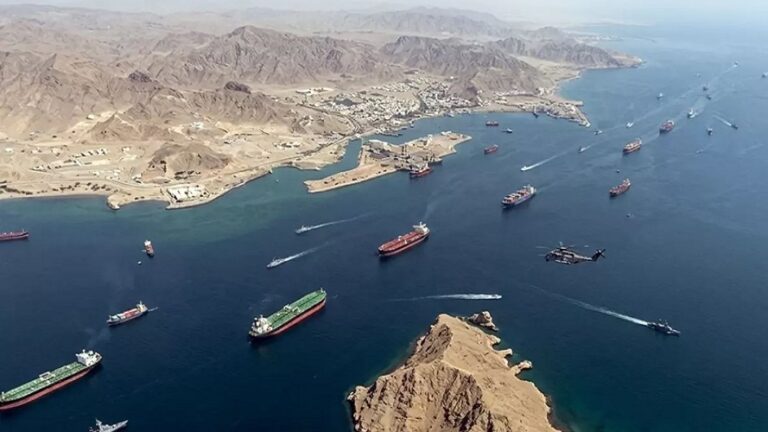
The regional crisis intensified after U.S. and Israeli attacks on Iran earlier this year triggered retaliatory strikes from Tehran and disruptions in global oil markets. Iran effectively closed the Strait of Hormuz, a key global energy shipping route, leading to rising fuel prices and concerns over a worldwide energy crisis. Although a fragile ceasefire was later reached, tensions across the region remain high.
Despite the uncertainty, pilgrims arriving for Hajj said they were relying on faith and gratitude as they embarked on the spiritual journey. Authorities in several Muslim-majority countries, including Indonesia and India, introduced additional travel and contingency measures to ensure the safety and smooth travel of pilgrims.
Indonesia, home to the world’s largest Muslim population, emphasized emergency preparedness and instructed authorities to ensure that rising travel and fuel costs would not unfairly burden pilgrims. In India, where a large Muslim minority participates in Hajj each year, preparations continued largely as normal despite increased travel expenses caused by global fuel price hikes.
Pilgrims will continue performing Hajj rituals over the coming days. On Tuesday, millions are expected to gather on the plain of Arafat, considered the spiritual peak of the pilgrimage. There, worshippers will spend hours praying, seeking forgiveness and making personal supplications. Many pilgrims carry prayer requests from family members and loved ones, often breaking into tears as they raise their hands in worship and reflection.
Saudi authorities have deployed extensive security, medical and logistical arrangements to manage the massive crowds and ensure the safety of pilgrims throughout the annual event.
सम्बन्धित खवर